
Shoppers often assume that outlet stores and regular retail stores offer the same products at different prices. In reality, the differences go deeper than discounts. From product sourcing to pricing strategies, each model serves a distinct purpose within the retail ecosystem.
Understanding these differences helps consumers make informed purchasing decisions.
What Is a Regular Retail Store?
A regular retail store sells merchandise at full price during its primary selling season. These stores typically feature:
- The latest collections
- Newly released designs
- Full product assortments
- Standard quality control
Retail stores are usually located in malls, shopping districts, or standalone storefronts in high-traffic urban areas.
What Is an Outlet Store?
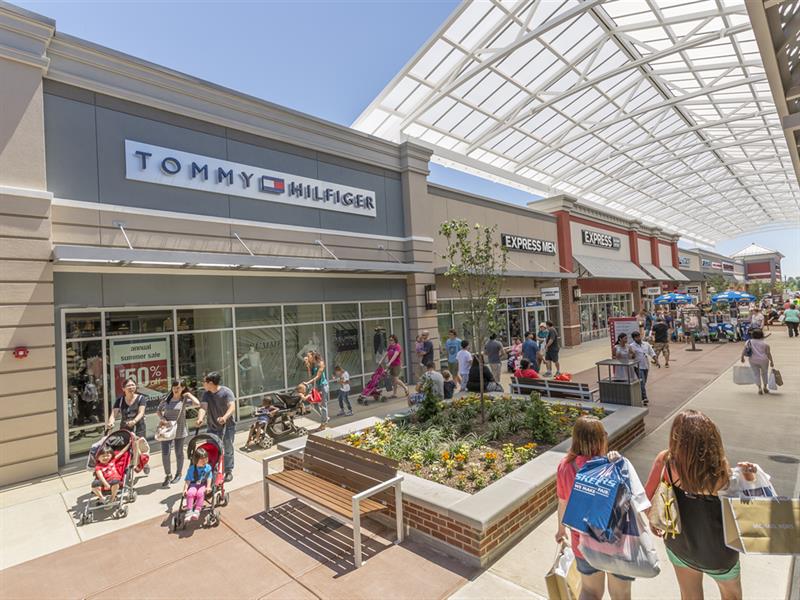
Outlet stores were originally created to sell excess inventory from regular retail stores. Over time, many outlets evolved to carry merchandise specifically manufactured for outlet distribution.
Outlet stores commonly offer:
- Discounted pricing
- Past-season merchandise
- Overstock items
- Factory-made exclusive lines
They are often located in outlet malls or shopping centers outside major city centers.
Key Differences Between Outlet and Retail Stores
1. Product Quality and Production
One major difference lies in how products are made.
- Regular retail items are produced for primary collections.
- Some outlet items are overstock from retail stores.
- Many outlets now carry products made specifically for outlet sale, which may use different materials or construction standards.
Not all outlet merchandise is identical to retail counterparts.
2. Pricing Strategy
Retail stores follow seasonal pricing cycles:
- Full price at launch
- Promotional discounts later
- Clearance at season end
Outlet stores maintain lower base prices year-round. However, “compare at” pricing may reflect suggested retail values rather than original retail selling prices.
3. Location and Overhead Costs
Retail stores typically operate in premium locations with higher rent and operating expenses.
Outlet stores are often located in:
- Outlet malls
- Suburban shopping centers
- Tourist shopping destinations
Lower overhead allows outlets to maintain discounted pricing.
4. Inventory Rotation
Retail stores refresh inventory seasonally, showcasing new arrivals frequently.
Outlet stores may:
- Carry previous-season stock
- Stock larger quantities of select items
- Rotate merchandise less frequently
Shoppers seeking the newest releases usually visit regular retail locations.
5. Shopping Experience
Retail environments often emphasize brand image with premium displays, curated layouts, and dedicated customer service.
Outlet stores focus more on:
- Volume sales
- Promotional signage
- Self-guided browsing
- Frequent discount offers
The atmosphere may feel more deal-oriented than brand-focused.
Advantages of Shopping at Outlet Stores
- Lower prices
- Frequent promotions
- Access to discontinued styles
- Opportunity for bulk buying
Outlet shopping can provide value when quality meets expectations.
Advantages of Shopping at Regular Retail Stores
- Access to current collections
- Consistent product quality
- Broader size availability
- Enhanced customer service
Retail stores may offer a more curated and polished experience.
How to Shop Smart at Both
To maximize value:
- Compare fabric quality and stitching
- Check return policies carefully
- Avoid impulse purchases driven by discounts
- Research whether the item was made for outlet or retail
- Inspect items for defects
Understanding product origin ensures better long-term satisfaction.
Which Option Is Better?
Neither model is inherently superior. The better choice depends on your priorities:
- For trend-focused shoppers: Regular retail may offer more variety.
- For budget-conscious buyers: Outlets often provide better pricing.
- For timeless staples: Both can offer value, depending on quality.
Smart shopping involves evaluating quality rather than focusing solely on price.
Frequently Asked Questions
1. Are outlet store products always lower quality?
Not always. Some items are excess retail stock, while others are specifically produced for outlets and may differ in materials.
2. Do outlet stores sell authentic brand products?
Yes, most outlets sell authentic products from the brand, though some lines are manufactured exclusively for outlet sale.
3. Why are outlet prices significantly lower?
Lower overhead costs and outlet-specific manufacturing contribute to reduced prices.
4. Can I return outlet purchases to regular retail stores?
Policies vary by brand. Always review return guidelines before purchasing.
5. Are outlet deals better during certain seasons?
Yes. Major holiday sales and end-of-season promotions often provide additional discounts.
6. Do retail stores price-match outlet pricing?
Typically no, as pricing structures differ between retail and outlet divisions.
7. Is shopping at outlets always cheaper in the long run?
It depends on quality. A lower-priced item that wears out quickly may cost more over time than a higher-quality retail purchase.